As automation software cost takes center stage, this opening passage beckons readers into a world crafted with good knowledge, ensuring a reading experience that is both absorbing and distinctly original. From factors influencing costs to strategies for optimization, this discussion delves deep into the realm of automation software expenses, providing valuable insights for businesses seeking efficiency and cost-effectiveness.
Factors influencing automation software cost
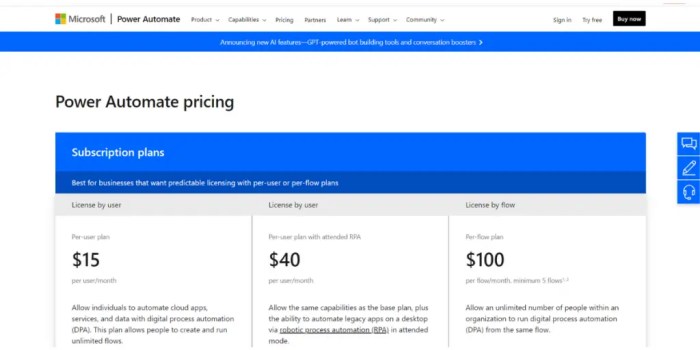
Automation software cost can vary based on a variety of factors that impact pricing. Features, scalability, customizability, complexity of processes being automated, as well as vendor pricing models and licensing structures all play a role in determining the cost.
Features
The range of features offered by automation software can significantly influence the cost. More advanced features such as AI integration, machine learning capabilities, and extensive reporting functionalities often come with a higher price tag.
Scalability
The ability of automation software to scale according to the needs of the organization can also impact the cost. Scalable solutions that can accommodate growing volumes of data or users may be priced higher to reflect this flexibility.
Customizability
Customizability plays a crucial role in determining the cost of automation software. Solutions that offer extensive customization options to tailor the software to specific business processes or industry requirements may come at a premium compared to off-the-shelf solutions.
Complexity of Processes
The complexity of the processes being automated can affect the cost of software implementation. More complex workflows or intricate integration requirements may require additional customization and configuration, leading to higher costs.
Vendor Pricing Models and Licensing Structures
Different vendors may offer varying pricing models and licensing structures that impact the overall cost of automation software. Some vendors may charge a one-time license fee, while others opt for a subscription-based model. Understanding these pricing structures is essential in evaluating the total cost of ownership of automation software.
Types of automation software pricing models
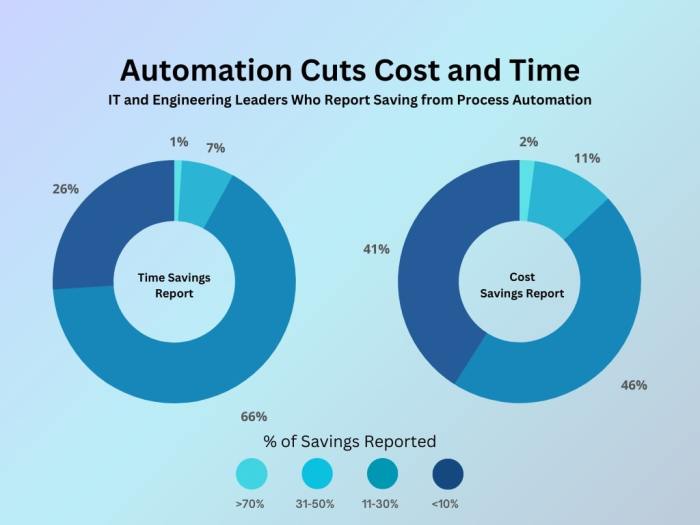
When it comes to automation software pricing, providers typically offer different models to cater to the needs of various businesses. Understanding these pricing models is crucial in making informed decisions regarding software investment.
Subscription-based pricing
Subscription-based pricing is a common model where users pay a recurring fee at regular intervals, usually monthly or annually, to access the software. This model often includes updates, maintenance, and support as part of the subscription package. Users benefit from predictable costs and the ability to scale up or down based on their needs.
One-time licensing fees
Contrasting subscription-based pricing, one-time licensing fees involve a single upfront payment to purchase the software license. While this may seem cost-effective initially, additional costs for maintenance, support, and upgrades may apply separately. Businesses need to consider long-term expenses and future scalability before opting for this model.
Usage-based pricing
Usage-based pricing charges users based on their actual usage of the software. This model is beneficial for businesses with fluctuating needs, as they only pay for what they use. However, it requires careful monitoring of usage to avoid unexpected costs.
Providers may offer tiered pricing based on usage volume or features accessed.
Additional costs
Apart from the primary pricing models, businesses need to factor in additional costs associated with automation software. These may include maintenance fees for software updates, ongoing support services, customization costs, and fees for upgrades to newer versions. Understanding these additional costs is essential for budgeting and planning for the long-term sustainability of the software investment.
Strategies to optimize automation software costs
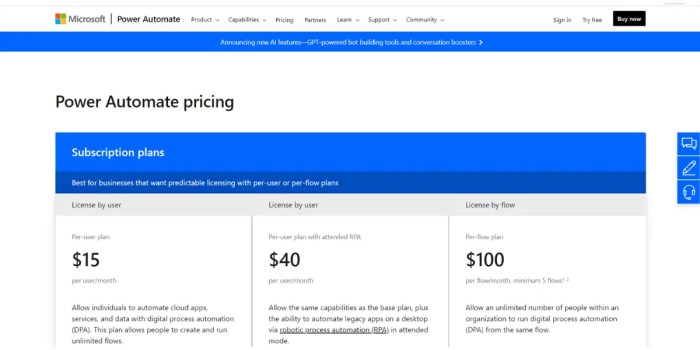
Automation software can be a valuable asset for businesses looking to streamline operations and increase efficiency. However, it is essential to optimize the usage of automation software to reduce costs and maximize ROI. Here are some strategies that businesses can implement to optimize automation software costs:
Evaluating ROI
One of the most critical steps in optimizing automation software costs is evaluating the return on investment (ROI). Businesses should assess whether the benefits gained from automation software justify the costs incurred. By measuring the impact of automation on productivity, efficiency, and revenue generation, organizations can make informed decisions about their software investments.
Cost-saving strategies
Businesses can implement various cost-saving strategies to optimize automation software expenses. For example, consolidating tools and platforms can help reduce licensing fees and maintenance costs. Renegotiating contracts with software vendors can also lead to more favorable pricing terms, especially as businesses scale their automation efforts.
Scalability
Scalability plays a crucial role in managing long-term costs associated with automation software. Businesses should consider how well their automation solutions can adapt to changing needs and growing demands. Scalable software allows organizations to expand their automation initiatives without incurring significant additional costs, ensuring that their investment remains cost-effective over time.
Case studies on automation software cost analysis
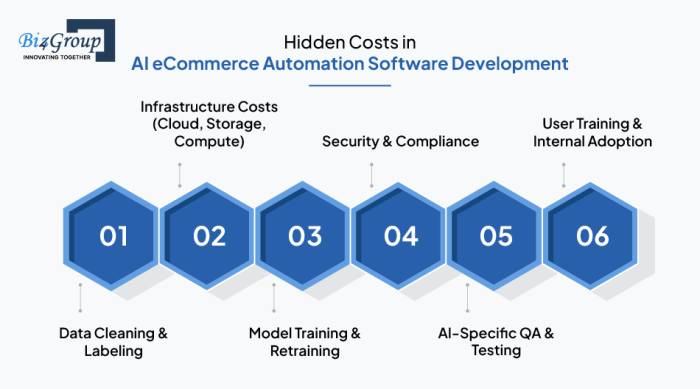
Implementing automation software can have significant cost implications for businesses. Let's explore some real-world case studies where companies have analyzed the costs associated with automation software.
Case Study 1: Manufacturing Company A
Manufacturing Company A decided to invest in automation software to streamline their production processes. They initially struggled with accurately estimating the costs involved in implementing the software. Challenges included identifying all the necessary modules, training employees, and potential integration issues with existing systems.
However, after thorough cost analysis and strategic planning, Company A was able to successfully implement the automation software. They achieved significant cost efficiency by reducing manual labor hours, minimizing errors, and improving overall productivity.
Key takeaway: Proper cost analysis and strategic planning are crucial for successful implementation of automation software.
Case Study 2: Retail Company B
Retail Company B faced challenges in determining the ROI of automation software for their inventory management and customer service operations. They found it difficult to accurately quantify the potential cost savings and revenue increases that could result from the software implementation.
By conducting a detailed cost-benefit analysis and leveraging data analytics, Company B was able to identify specific areas where automation software could drive cost efficiency. They successfully implemented the software and saw significant improvements in inventory accuracy, order processing time, and customer satisfaction.
Key takeaway: Data-driven decision-making is essential for assessing the cost benefits of automation software.
Case Study 3: Tech Startup C
Tech Startup C invested in automation software to streamline their marketing and customer acquisition processes. They faced challenges in aligning the upfront costs of the software with their limited budget constraints. Estimating the long-term benefits and ROI of the software was also a hurdle for the startup.
Through careful financial planning and a phased implementation approach, Startup C was able to optimize their automation software costs. They focused on high-impact areas and gradually scaled up their automation efforts as they saw positive results. This approach helped them achieve cost efficiency while driving business growth.
Key takeaway: Startups can achieve cost efficiency with automation software by prioritizing high-impact areas and adopting a phased implementation strategy.
Concluding Remarks
In conclusion, the journey through automation software costs has unveiled the intricate web of factors that influence pricing, various pricing models adopted by providers, strategies to minimize costs, and real-world case studies showcasing successful cost analysis. As businesses navigate the landscape of automation software, understanding these nuances can pave the way for informed decisions and maximized returns on investment.
FAQ Section
What factors can influence automation software costs?
Factors such as features, scalability, customization, complexity of processes being automated, and vendor pricing models can all impact automation software costs.
What are common pricing models used by automation software providers?
Common pricing models include subscription-based pricing, one-time licensing fees, and usage-based pricing, each with its implications on cost.
How can businesses optimize their automation software costs?
Businesses can optimize costs by evaluating ROI, consolidating tools, renegotiating contracts, and considering scalability for long-term cost management.