Delve into the intricate world of marketing automation pricing, where various factors come into play to determine the costs involved. From understanding pricing models to optimizing expenses, this comprehensive guide sheds light on the complexities of this essential business tool.
As businesses strive to streamline their marketing efforts, the pricing structures of automation tools play a pivotal role in decision-making processes. Let's unravel the nuances of marketing automation pricing together.
Factors influencing marketing automation pricing
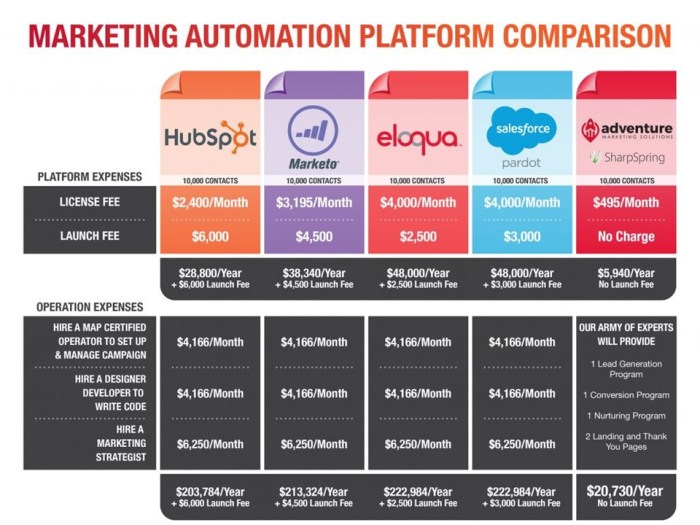
Marketing automation pricing can vary based on several key factors that impact the overall cost. Understanding these factors is crucial for businesses looking to invest in the right automation platform.
Features and functionalities impact pricing
The range of features and functionalities offered by a marketing automation platform directly influences its pricing. More advanced tools with extensive capabilities will typically come at a higher cost compared to basic automation solutions.
Role of scalability in determining pricing tiers
Scalability plays a significant role in determining pricing tiers for marketing automation platforms. Businesses that require the ability to scale their automation efforts as they grow will often need to invest in higher-priced plans that offer increased capacity and resources.
Influence of integrations with other tools on pricing
The level of integration a marketing automation platform provides with other tools and software solutions can impact pricing. Platforms that offer seamless integration with popular CRM systems, email marketing tools, and analytics platforms may come at a premium price.
Customer support levels affect pricing
The quality and level of customer support offered by a marketing automation provider can also affect pricing. Platforms that offer 24/7 support, dedicated account managers, and comprehensive training resources may have higher price points compared to those with limited support options.
Pricing models used in marketing automation
![Marketing Automation 101 For The Beginner [With Examples]](https://automation.hops.id/wp-content/uploads/2026/04/Screenshot-2023-10-10-at-11.42.35-PM.png "Marketing Automation 101 For The Beginner [With Examples]")
In the realm of marketing automation, various pricing models are utilized to cater to the diverse needs of businesses. Understanding the differences between these models can help companies make informed decisions when selecting a marketing automation solution.
Subscription-based vs. Usage-based pricing
Subscription-based pricing involves paying a set fee on a recurring basis, typically monthly or annually, for access to the marketing automation platform. On the other hand, usage-based pricing charges customers based on the volume of usage, such as the number of contacts or campaigns sent.
While subscription-based models offer predictability and consistency in costs, usage-based models provide flexibility and cost-effectiveness for businesses with fluctuating needs.
Benefits and drawbacks of one-time payment options
One-time payment options allow customers to make a single payment for perpetual access to the marketing automation software. The benefit lies in the upfront cost savings and ownership of the software. However, drawbacks include potentially higher initial costs and limited access to updates and support without additional fees.
Tiered pricing vs. Pay-as-you-go models
Tiered pricing structures offer different pricing tiers with varying features and capabilities, catering to businesses of different sizes and needs. Pay-as-you-go models, on the other hand, charge customers based on actual usage, providing flexibility and scalability. While tiered pricing can offer cost savings for businesses with specific requirements, pay-as-you-go models ensure companies only pay for what they use.
Impact of customization options on pricing structures
Customization options in marketing automation platforms allow businesses to tailor the software to their specific needs and preferences. However, these customizations can impact pricing structures, as additional features or integrations may incur extra costs. Companies should carefully evaluate the necessity of customizations and their financial implications when considering pricing options.
Strategies for optimizing marketing automation costs
![Marketing Automation 101 For The Beginner [With Examples]](https://automation.hops.id/wp-content/uploads/2026/04/Screenshot-2023-10-10-at-11.40.52-PM-1024x717-1.png "Marketing Automation 101 For The Beginner [With Examples]")
When it comes to optimizing marketing automation costs, there are several strategies that businesses can implement to ensure they are getting the best value for their investment.
Negotiating Better Pricing with Vendors
- Research and compare prices from different vendors to leverage competitive pricing.
- Consider bundling services or opting for annual contracts to negotiate discounts.
- Highlight your long-term potential as a customer to vendors to secure better rates.
Understanding Contract Terms and Renewal Conditions
- Thoroughly review contract terms to avoid hidden fees or unexpected charges.
- Negotiate flexible renewal conditions to accommodate changes in your business needs.
- Be aware of auto-renewal clauses and negotiate opt-out options if needed.
Leveraging Free Trials or Demos for Evaluation
- Take advantage of free trials or demos to test the platform's features and assess its fit for your business.
- Engage with vendor representatives during trials to address any concerns and gather pricing information.
- Compare the cost-effectiveness of different platforms based on trial performance and pricing models.
Assessing ROI to Justify Expenses
- Track key performance indicators (KPIs) to measure the impact of marketing automation on your business.
- Calculate the return on investment (ROI) by comparing costs with revenue generated through automation.
- Present data-driven insights to stakeholders to demonstrate the value of marketing automation in driving business growth.
Additional costs to consider in marketing automation pricing
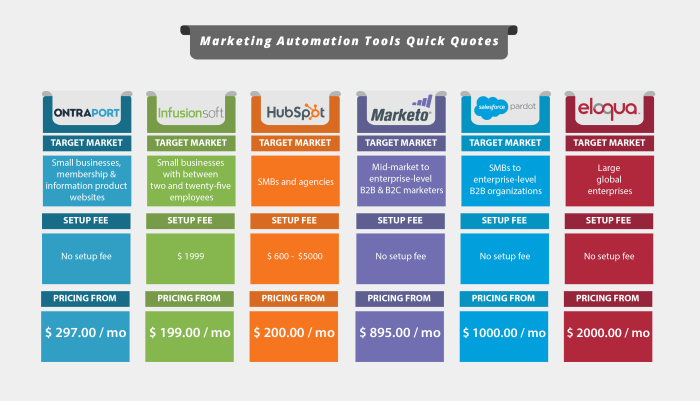
When evaluating marketing automation pricing, it's important to look beyond the base cost and consider additional fees that may impact your overall investment. These hidden costs can significantly affect your budget and the value you get from the platform.
Hidden Fees in Marketing Automation Pricing
Some marketing automation platforms may charge hidden fees for services or features that are not included in the standard pricing package. These fees can include setup costs, integration fees, or charges for additional users. It's essential to carefully review the pricing details to understand all potential expenses.
Impact of Add-ons and Extra Features
While additional features and add-ons can enhance the functionality of your marketing automation platform, they can also increase the total cost. It's important to evaluate whether these extras are necessary for your specific needs and if they justify the additional expense.
Data Storage and Usage Limits
Many marketing automation platforms impose limits on data storage and usage, which can result in additional charges if you exceed these limits. It's crucial to assess your data requirements and ensure that the platform you choose offers sufficient storage and usage capabilities within your budget.
Professional Services Costs
Some marketing automation providers offer professional services such as consulting, training, or custom development, which may come at an additional cost. While these services can be valuable for maximizing the efficiency of your marketing automation strategy, they should be considered in your overall budget planning.
Last Word
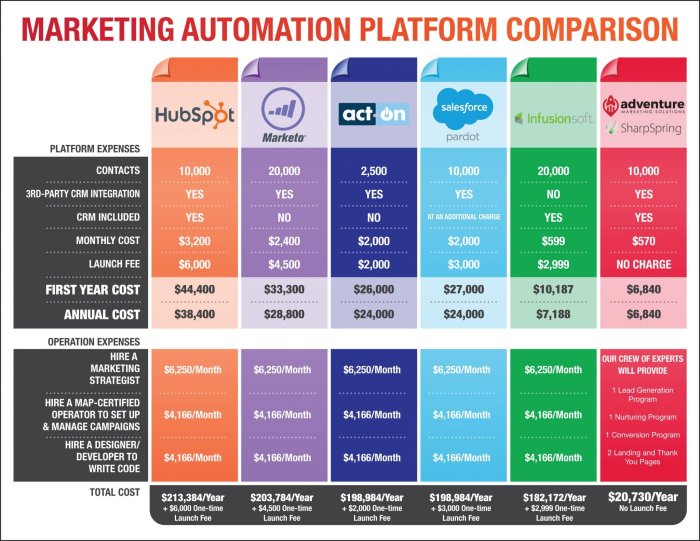
In conclusion, navigating the realm of marketing automation pricing requires a keen understanding of the factors influencing costs, the various pricing models available, strategies to optimize expenses, and additional costs to consider. By mastering these elements, businesses can effectively leverage automation tools to enhance their marketing efforts while staying cost-effective.
FAQ Compilation
How do features and functionalities impact marketing automation pricing?
Features and functionalities often determine the pricing tiers of marketing automation tools, with advanced capabilities leading to higher costs.
What are the benefits of subscription-based pricing models?
Subscription-based models offer predictable costs and often include updates and support services within the package.
How can businesses negotiate better pricing with vendors?
Businesses can negotiate better pricing by committing to long-term contracts, bundling services, or leveraging competitive offers.
What hidden fees should businesses be aware of in marketing automation pricing?
Businesses should watch out for hidden fees related to additional features, data storage overages, or professional services.
How can businesses assess ROI to justify marketing automation expenses?
Businesses can calculate ROI by measuring the impact of automation tools on marketing efficiency, lead generation, and revenue growth.