Delving into the realm of workflow automation cost, this introduction sets the stage for a comprehensive exploration of the subject, offering insights and examples that will intrigue readers and enhance their understanding.
Providing a detailed overview of the key factors influencing costs and the strategies for cost-effective solutions.
Overview of Workflow Automation Cost
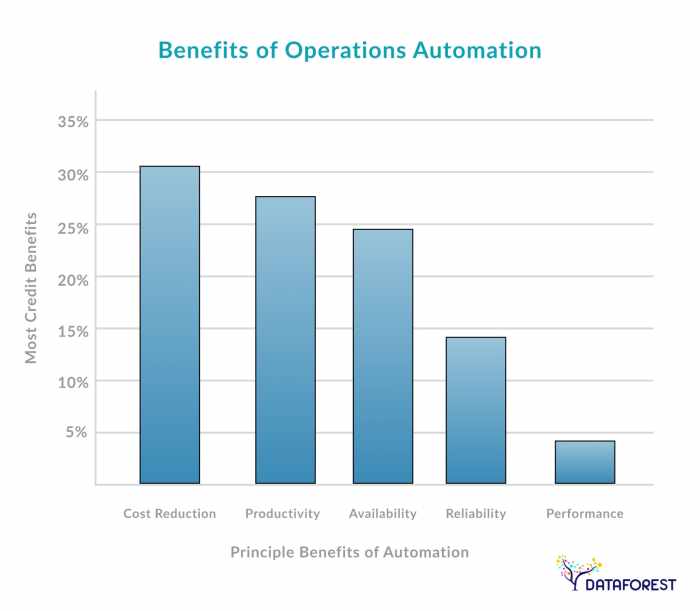
Workflow automation cost refers to the expenses associated with implementing automated processes to streamline and optimize workflows within an organization. This includes costs related to acquiring automation software, customization, training, maintenance, and ongoing support.
Understanding the cost of workflow automation is crucial for businesses looking to improve efficiency, reduce manual errors, and increase productivity. By analyzing the expenses involved, organizations can make informed decisions about the return on investment (ROI) and the long-term benefits of implementing automation solutions.
Examples of Industries Benefiting from Workflow Automation Cost Optimization
- Manufacturing: Companies in the manufacturing sector can reduce costs by automating production processes, inventory management, and supply chain operations.
- Healthcare: Healthcare providers can optimize costs by automating patient scheduling, billing, and medical record management, leading to improved patient care and operational efficiency.
- Finance: Financial institutions can benefit from workflow automation by automating loan processing, compliance tasks, and customer onboarding processes, resulting in faster transactions and reduced operational expenses.
Factors Influencing Workflow Automation Costs
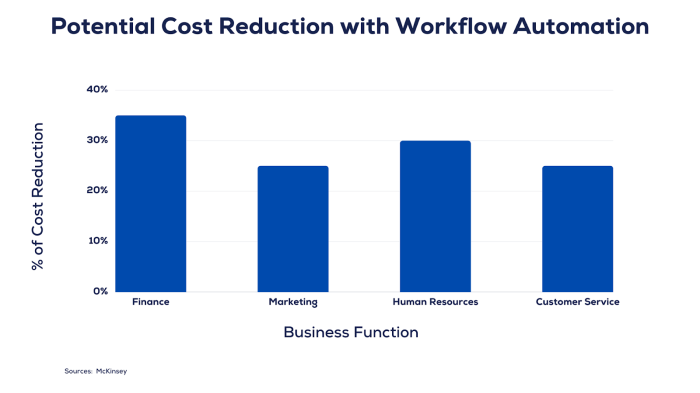
When it comes to implementing workflow automation, there are several key factors that influence the overall cost of the process. Understanding these factors is crucial in determining a realistic budget for automation projects.
Complexity of Workflows
The complexity of workflows plays a significant role in determining automation costs. More complex workflows with multiple decision points, dependencies, and integrations require more time and resources to automate effectively. As a result, the more intricate the workflow, the higher the associated costs.
Role of Software and Technology
The choice of software and technology used for workflow automation also impacts the overall costs. Different automation tools come with varying price points, features, and capabilities. High-end enterprise-level software solutions may come with a hefty price tag but offer advanced functionalities for complex workflows.
On the other hand, more affordable options may be suitable for simpler automation needs but could lack certain advanced features.
Cost-Benefit Analysis of Workflow Automation

When considering implementing workflow automation, it is essential to conduct a cost-benefit analysis to evaluate the financial impact of the investment. This analysis helps organizations determine if the benefits of automation outweigh the initial costs.
Framework for Cost-Benefit Analysis
A cost-benefit analysis of workflow automation should consider both the initial investment required to implement the automation solution and the long-term cost savings it can generate. The framework for this analysis typically involves:
- Identifying all costs associated with implementing workflow automation, including software, hardware, training, and maintenance expenses.
- Estimating the potential cost savings from increased efficiency, reduced errors, and decreased manual labor.
- Comparing the total costs with the projected savings to determine the return on investment (ROI).
Comparing Initial Investment with Long-Term Savings
One of the key aspects of the cost-benefit analysis is comparing the upfront costs of implementing workflow automation with the long-term savings it can generate. While the initial investment may seem significant, the potential for increased productivity, reduced operational costs, and improved accuracy over time can result in substantial savings for the organization.
Potential ROI from Workflow Automation
Implementing workflow automation can lead to a significant return on investment for organizations. By streamlining processes, reducing manual intervention, and improving overall efficiency, companies can achieve higher productivity levels, lower operational costs, and improved customer satisfaction. The potential ROI from workflow automation is not just limited to financial gains but also includes intangible benefits such as improved employee morale and greater competitiveness in the market.
Strategies for Cost-Effective Workflow Automation
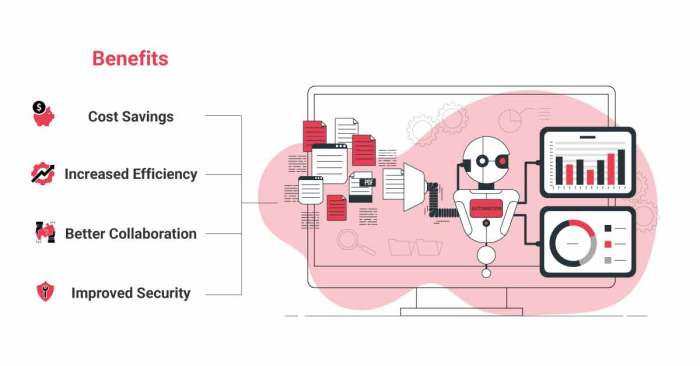
When implementing workflow automation, it is crucial to consider strategies that will help reduce costs without compromising quality. By optimizing the automation process, businesses can achieve efficiency and cost-effectiveness simultaneously.
Importance of Scalability in Cost-Effective Automation Solutions
Scalability plays a vital role in cost-effective automation solutions as it allows businesses to adapt and grow without incurring significant additional costs. When choosing automation software, ensure that it can scale with your business needs over time.
Tips for Negotiating Pricing with Automation Software Vendors
When negotiating pricing with automation software vendors, consider the following tips to secure the best deal:
- Do thorough research on different vendors and compare pricing models to leverage competitive advantages.
- Highlight your specific business needs and requirements to negotiate a tailored pricing package.
- Ask for discounts or promotions, especially if you are committing to a long-term contract.
- Request a trial period to test the software's capabilities before making a final decision.
Epilogue
In conclusion, the discussion on workflow automation cost sheds light on the intricacies of balancing investment and savings, emphasizing the importance of efficient automation strategies in various industries.
Questions Often Asked
What does workflow automation cost entail?
Workflow automation cost involves the expenses associated with implementing automated processes to streamline workflows efficiently.
How can one conduct a cost-benefit analysis of workflow automation?
Conducting a cost-benefit analysis involves comparing the initial investment in automation with the long-term cost savings to determine the ROI.
What are some strategies for reducing workflow automation costs?
Some strategies include optimizing processes to reduce costs without compromising quality, ensuring scalability, and negotiating pricing with automation software vendors.