In today's rapidly evolving industrial landscape, the integration of industrial automation solutions has become a cornerstone of success. From streamlining manufacturing processes to enhancing safety measures, the impact of these solutions is profound. Let's delve into the world of industrial automation solutions and explore the transformative power they hold.
Overview of Industrial Automation Solutions
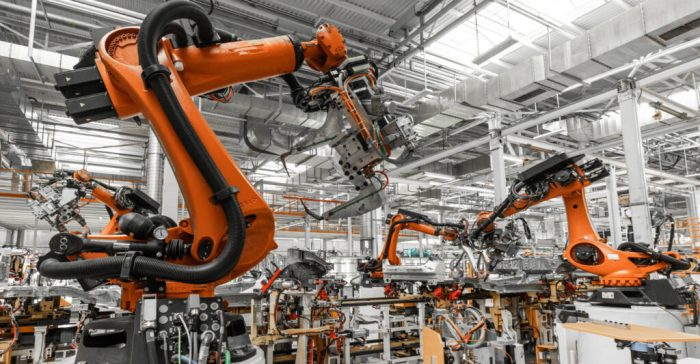
Industrial automation solutions refer to the use of various control systems, software, and technologies to automate different processes in industrial settings. These solutions are crucial in modern industries as they help improve efficiency, productivity, and safety.Implementing industrial automation solutions in manufacturing processes offers numerous benefits.
Firstly, it enhances efficiency by streamlining operations and reducing manual tasks. This leads to increased production output and improved quality of products. Additionally, automation helps in minimizing errors and variability in production, leading to more consistent results.Industrial automation solutions also boost productivity by enabling faster production cycles and reducing downtime.
With automated systems in place, tasks can be completed at a quicker pace, resulting in higher output levels. Moreover, automation allows for better resource utilization and optimization, leading to cost savings for the company.Safety is another key aspect that industrial automation solutions address.
By automating hazardous tasks and implementing safety protocols, the risk of accidents and injuries in industrial settings is significantly reduced. This not only protects the workforce but also ensures compliance with safety regulations.In conclusion, industrial automation solutions play a vital role in enhancing efficiency, productivity, and safety in industrial environments.
By leveraging automation technologies, companies can optimize their operations, improve output quality, and create a safer work environment for their employees.
Types of Industrial Automation Solutions
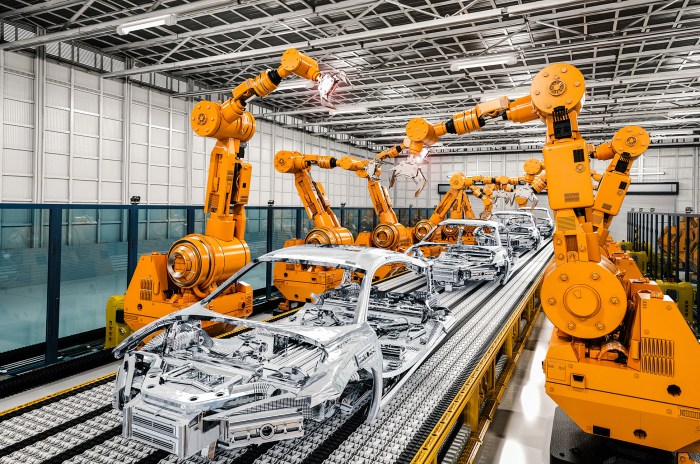
Industrial automation solutions encompass a wide range of technologies and systems designed to streamline processes, increase efficiency, and improve overall productivity in manufacturing and industrial settings. Some common types of industrial automation solutions include:
Robotics
Robotics automation involves the use of robotic arms, machines, or systems to perform tasks traditionally carried out by humans. These robots can handle repetitive, dangerous, or precise tasks with speed and accuracy, leading to increased production output and improved safety in the workplace.
PLC Systems
Programmable Logic Controllers (PLCs) are specialized computers used to automate control processes in industrial settings. PLC systems can monitor inputs, make decisions based on predefined logic, and control outputs to optimize manufacturing processes. They are widely used in industries such as automotive, food processing, and pharmaceuticals.
SCADA
Supervisory Control and Data Acquisition (SCADA) systems are used to monitor and control industrial processes in real-time. SCADA systems collect data from sensors and equipment, provide visualization of the processes, and enable operators to make informed decisions to improve efficiency and reduce downtime.
IoT and AI
The Internet of Things (IoT) and Artificial Intelligence (AI) play a crucial role in enhancing industrial automation solutions. IoT devices enable connected machines and equipment to communicate and share data, leading to predictive maintenance, remote monitoring, and improved decision-making. AI algorithms can analyze vast amounts of data to optimize processes, detect anomalies, and improve overall efficiency in industrial automation systems.
Implementation of Industrial Automation Solutions
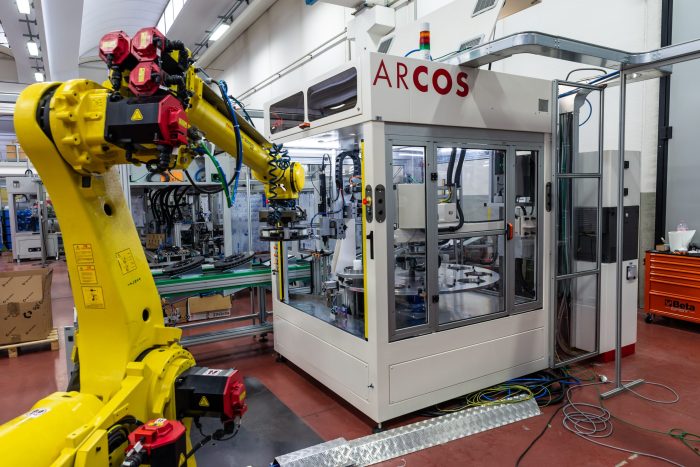
Implementing industrial automation solutions in a manufacturing plant involves several key steps to ensure a successful transition to automated processes.
Assessing Industry Requirements
In order to choose the most suitable automation solutions for a specific industry, it is crucial to first assess the requirements and challenges unique to that industry. This can be done through a thorough analysis of the current processes, identifying areas that can benefit from automation, and understanding the goals and objectives of the organization.
- Conduct a detailed evaluation of the existing processes and workflows to identify areas that can be automated for improved efficiency and productivity.
- Consider the specific needs and requirements of the industry, such as regulatory compliance, safety standards, and production targets, when selecting automation solutions.
- Collaborate with key stakeholders, including operations managers, engineers, and production staff, to gather insights and feedback on automation requirements.
Challenges and Solutions
During the implementation process of industrial automation solutions, companies may face various challenges that can hinder progress. It is important to anticipate these challenges and have strategies in place to overcome them effectively.
- Integration Complexity:One common challenge is the complexity of integrating new automation systems with existing infrastructure. Companies can address this by conducting thorough compatibility tests and investing in training for employees to manage the new systems.
- Resistance to Change:Resistance from employees to adopt new automation technologies can slow down the implementation process. Companies can overcome this by providing adequate training, clear communication on the benefits of automation, and involving employees in the transition process.
- Cost Considerations:Cost constraints can be a significant challenge for companies looking to implement automation solutions. To mitigate this, companies can conduct a cost-benefit analysis, explore financing options, and prioritize automation projects based on ROI potential.
Impact of Industrial Automation Solutions
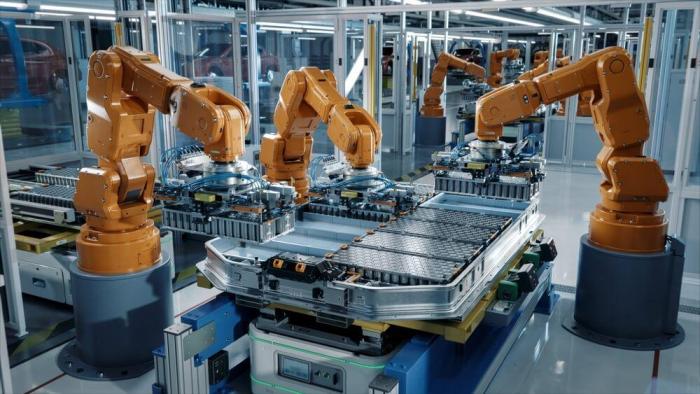
Industrial automation solutions have a profound impact on various aspects of business operations, including the dynamics of the workforce, cost savings, ROI, and environmental sustainability.
Workforce Dynamics and Job Roles
Industrial automation solutions often lead to a shift in workforce dynamics by reducing the need for manual labor in repetitive tasks. This can result in the upskilling of employees to operate and maintain automated systems, creating new job roles that require advanced technical skills.
Cost Savings and ROI
Implementing industrial automation solutions can lead to significant cost savings for businesses in the long run. By streamlining processes, reducing errors, and increasing efficiency, companies can achieve a higher return on investment (ROI) through reduced operational expenses and increased productivity.
Environmental Benefits
Industrial automation solutions play a crucial role in promoting environmental sustainability by reducing waste and energy consumption. Automated systems are designed to optimize resource utilization, minimize material wastage, and operate more efficiently, ultimately contributing to a greener and more sustainable manufacturing process.
Concluding Remarks
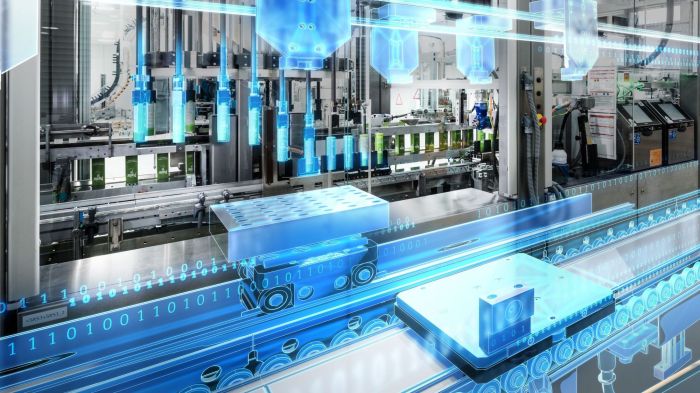
As we conclude our journey through the realm of industrial automation solutions, it becomes evident that the future of industry is intricately linked with these technological advancements. With increased efficiency, productivity, and sustainability, the adoption of automation solutions is not just a choice but a necessity in the competitive industrial landscape.
Top FAQs
How can industrial automation solutions benefit manufacturing processes?
Industrial automation solutions can optimize production, reduce human error, and enhance overall efficiency in manufacturing processes.
What role do IoT and AI play in industrial automation solutions?
IoT and AI technologies play a crucial role in enhancing the capabilities of industrial automation solutions by enabling data-driven insights and predictive maintenance.
What challenges might companies face during the implementation of industrial automation solutions?
Companies may face challenges such as high initial costs, resistance from employees, and the need for extensive training during the implementation of industrial automation solutions.
How do industrial automation solutions impact workforce dynamics?
Industrial automation solutions can lead to a shift in job roles, with a greater emphasis on technical skills and oversight of automated systems.
What are the environmental benefits of using industrial automation solutions?
Industrial automation solutions contribute to reducing waste, optimizing energy consumption, and promoting sustainable practices in industrial operations.