Delve into the world of robotic process automation cost as we uncover the key factors, comparisons, benefits, and strategies that shape this innovative technology. Get ready for a journey filled with insights and practical knowledge!
Factors influencing the cost of robotic process automation
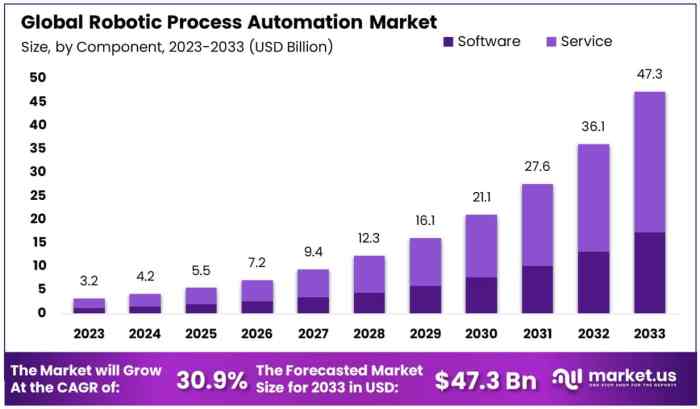
Implementing robotic process automation (RPA) can vary in cost depending on several key factors. One of the main influencers is the complexity of processes involved in the automation. The more intricate and varied the processes, the higher the cost of implementation and maintenance of RPA solutions.
Impact of complexity of processes on RPA costs
The complexity of processes directly impacts the cost of RPA implementation. Processes that are simple and straightforward require less customization and configuration, resulting in lower costs. On the other hand, complex processes that involve multiple systems, decision points, and exceptions will require more time and resources to automate effectively, increasing the overall cost.
- Complexity of data sources and formats
- Number of systems involved in the process
- Variability in decision-making and exceptions
Scalability and customization in RPA implementation
Scalability and customization also play a significant role in determining the cost of RPA implementation. The ability to scale the automation solution to handle increased workload or additional processes without significant rework can impact the overall cost. Similarly, customization requirements to fit the specific needs of an organization can add to the cost of implementation.
- Flexibility to handle increased workload
- Customization to meet specific business requirements
- Integration with existing systems and technologies
Cost comparison between in-house development and outsourcing RPA
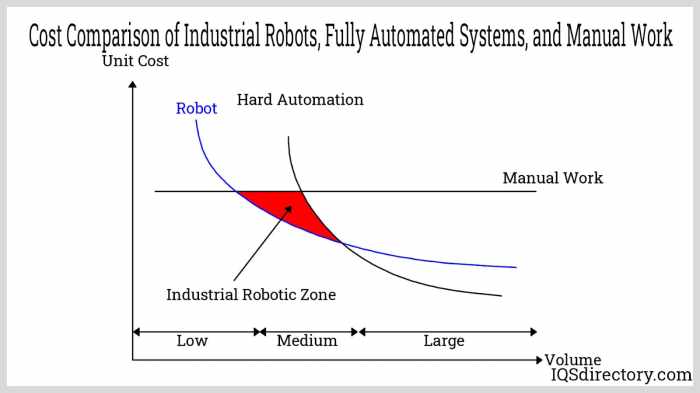
In deciding whether to develop robotic process automation (RPA) solutions in-house or outsource to third-party vendors, the cost implications play a significant role. Let's analyze the cost differences between these two approaches and explore the pros and cons of each in terms of cost-effectiveness.
Initial Setup Costs
When considering in-house development of RPA solutions, the initial setup costs can be substantial. This includes hiring skilled developers, investing in RPA tools and technology, and setting up the necessary infrastructure. On the other hand, outsourcing RPA to third-party vendors typically involves upfront costs for vendor selection, contract negotiation, and implementation.
However, these costs may be lower compared to in-house development due to the vendor's expertise and existing infrastructure.
Ongoing Maintenance Costs
In-house development of RPA solutions may lead to higher ongoing maintenance costs as it requires continuous updates, monitoring, and support from internal resources. This can result in additional expenses for training, troubleshooting, and system upgrades. Conversely, outsourcing RPA to third-party vendors often includes maintenance and support services as part of the contract, reducing the burden on the organization and potentially lowering long-term costs.
Scalability and Flexibility
One of the advantages of in-house development is the flexibility to customize RPA solutions according to specific business needs. However, this customization can come at a higher cost, especially when scaling up or adding new functionalities. Outsourcing RPA to third-party vendors may limit customization options but can provide a more scalable and cost-effective solution, especially for organizations with limited resources or expertise.
Risk and Control
In-house development offers greater control over the RPA process and data security, but it also comes with higher risks, such as project delays, budget overruns, and technology obsolescence. Outsourcing RPA to third-party vendors shifts some of these risks to the vendor but may raise concerns about data privacy, compliance, and dependency on external providers.
Organizations need to weigh the cost implications of these risks when deciding between in-house and outsourcing models.
Cost-saving benefits of robotic process automation

Robotic Process Automation (RPA) offers significant cost-saving benefits to organizations by streamlining processes, reducing manual intervention, and increasing efficiency. The implementation of RPA can lead to substantial savings in operational costs and resource allocation.
Increased productivity and efficiency
- RPA can execute tasks at a much faster pace than humans, leading to increased productivity and efficiency.
- By automating repetitive and rule-based tasks, employees can focus on more strategic and value-added activities.
Reduced error rates and improved accuracy
- Automation through RPA reduces the likelihood of human errors, leading to improved accuracy in processes.
- By minimizing errors, organizations can avoid costly mistakes and rework, resulting in significant cost savings.
Optimized resource allocation
- RPA allows organizations to allocate resources more effectively by automating routine tasks and reallocating human resources to more critical areas.
- By optimizing resource allocation, organizations can achieve cost savings and improve overall operational efficiency.
Strategies to optimize and reduce robotic process automation costs

Implementing robotic process automation (RPA) can bring significant cost-saving benefits to organizations. However, optimizing and reducing RPA costs require careful planning and strategic implementation. By following effective strategies, businesses can ensure that their RPA initiatives are cost-effective and yield maximum returns on investment.
Role of Process Analysis in Identifying Cost-Saving Opportunities
Process analysis plays a crucial role in identifying cost-saving opportunities in RPA implementation. By analyzing existing processes and workflows, organizations can pinpoint inefficiencies and areas that can be automated to reduce costs. Through process analysis, companies can streamline operations, eliminate redundant tasks, and optimize resource utilization, leading to overall cost savings.
Continuous Monitoring and Refinement for Long-Term Cost Reduction
Continuous monitoring and refinement are essential for reducing long-term RPA costs. By regularly assessing the performance of RPA bots and processes, organizations can identify areas for improvement and optimization. Monitoring allows businesses to detect any deviations or inefficiencies in automation processes, enabling them to take corrective actions promptly.
By refining RPA workflows and optimizing bot performance over time, companies can ensure ongoing cost savings and efficiency in their operations.
Final Wrap-Up

In conclusion, the realm of robotic process automation cost offers a plethora of opportunities for organizations to streamline operations and enhance efficiency. By understanding the nuances of RPA costs, businesses can make informed decisions to drive success in the digital era.
User Queries
What are the key factors influencing robotic process automation costs?
Factors such as process complexity, scalability, and customization play a significant role in determining RPA costs.
How does in-house development compare to outsourcing RPA in terms of costs?
In-house development may have higher initial setup costs but could be more cost-effective in the long run, while outsourcing offers flexibility but may incur ongoing expenses.
What are some examples of cost-saving benefits achieved through robotic process automation?
RPA can lead to reduced operational costs, improved resource allocation, and increased efficiency in repetitive tasks, resulting in significant savings for organizations.
What strategies can be employed to optimize and reduce RPA costs?
Effective strategies include process analysis to identify cost-saving opportunities, continuous monitoring, and refinement to ensure long-term cost efficiency in RPA implementation.