Marketing automation services pave the way for a revolution in modern business strategies, offering a seamless blend of technology and innovation. Dive into this comprehensive guide that explores the ins and outs of automation services, from streamlining marketing processes to enhancing customer engagement.
Introduction to Marketing Automation Services
Marketing automation services refer to the use of software and technology to automate repetitive marketing tasks in order to streamline processes and increase efficiency. In modern businesses, where competition is fierce and customer expectations are high, marketing automation plays a crucial role in helping companies stay organized, save time, and deliver personalized experiences to their target audience.One of the key benefits of marketing automation services is that they can help businesses nurture leads, manage customer relationships, and analyze data to make informed marketing decisions.
By automating tasks such as email marketing, social media posting, and lead scoring, companies can focus their time and resources on more strategic initiatives, ultimately driving better results.
Popular Marketing Automation Tools
Some of the most popular marketing automation tools used in the industry include:
- HubSpot: Known for its all-in-one marketing platform that includes email marketing, social media management, and customer relationship management.
- Marketo: A comprehensive platform offering lead management, email marketing, and analytics to help businesses engage with their audience effectively.
- Pardot: A B2B marketing automation platform by Salesforce that helps companies generate leads, nurture them, and track their interactions throughout the sales cycle.
- Mailchimp: Widely used for email marketing, automation, and CRM integration to help businesses reach their audience and grow their customer base.
Benefits of Marketing Automation Services
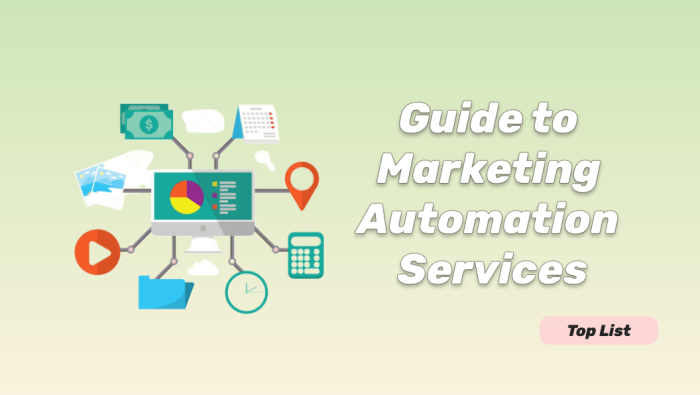
Marketing automation services offer a wide range of benefits for businesses looking to streamline their marketing efforts and maximize efficiency. By leveraging automation tools, companies can achieve increased productivity, improved lead generation and nurturing, as well as enhanced customer engagement and retention.
Increased Efficiency and Productivity
Marketing automation services help businesses automate repetitive tasks, such as email marketing, social media posting, and lead scoring, allowing teams to focus on more strategic initiatives. This automation not only saves time but also ensures that marketing campaigns are executed consistently and efficiently.
Improved Lead Generation and Nurturing
Through marketing automation, businesses can track and analyze customer behavior, allowing for targeted and personalized communication. By segmenting leads based on their interactions with the brand, companies can deliver relevant content at the right time, increasing the likelihood of conversion.
Enhanced Customer Engagement and Retention
Marketing automation services enable businesses to create personalized customer journeys, from initial contact to post-purchase follow-ups. By sending timely and relevant messages, companies can engage customers throughout their buying cycle, fostering loyalty and increasing retention rates.
Implementation of Marketing Automation Services
When it comes to setting up marketing automation services for a business, there are several key steps involved in the process. From selecting the right tools to integrating them into existing systems, a successful implementation can greatly enhance marketing efforts and efficiency.
Key Steps in Setting Up Marketing Automation Services:
- Identify Goals and Objectives: Before implementing any automation tools, it is essential to clearly define the goals and objectives you want to achieve through marketing automation.
- Choose the Right Automation Platform: Research and select a marketing automation platform that aligns with your business needs and budget.
- Map Out Customer Journey: Create a detailed map of your customer journey to understand touchpoints where automation can be beneficial.
- Create Relevant Content: Develop engaging and relevant content that can be automated to nurture leads and drive conversions.
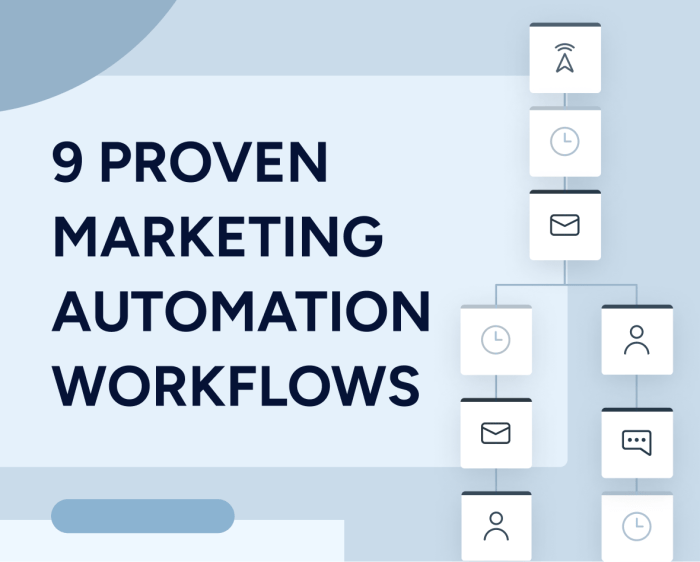
- Set Up Workflows: Configure automation workflows to streamline processes like lead scoring, email campaigns, and customer segmentation.
- Integrate with Existing Systems: Ensure seamless integration with CRM, analytics, and other existing systems to maximize the benefits of automation.
Comparison of Different Approaches to Implementing Marketing Automation Services:
- All-in-One Platforms: These platforms offer a comprehensive suite of automation tools in a single package, making it easier to manage all marketing activities in one place.
- Best-of-Breed Solutions: Opting for best-of-breed solutions allows businesses to choose specialized tools for specific marketing tasks, providing more flexibility and customization.
- Hybrid Approach: Some businesses prefer a combination of both approaches, using an all-in-one platform for core functions and integrating best-of-breed solutions for specialized needs.
Tips for Successful Integration of Marketing Automation Tools:
- Provide Adequate Training: Ensure that your team is trained on how to use the automation tools effectively to maximize their potential.
- Regularly Monitor and Analyze Performance: Keep track of key performance metrics and analyze the data to optimize automation workflows for better results.
- Continuously Refine Strategies: Be open to testing new approaches and refining your automation strategies based on insights and feedback.
- Collaborate Across Departments: Foster collaboration between marketing, sales, and customer service teams to ensure alignment and maximize the impact of automation efforts.
Customization and Personalization in Marketing Automation
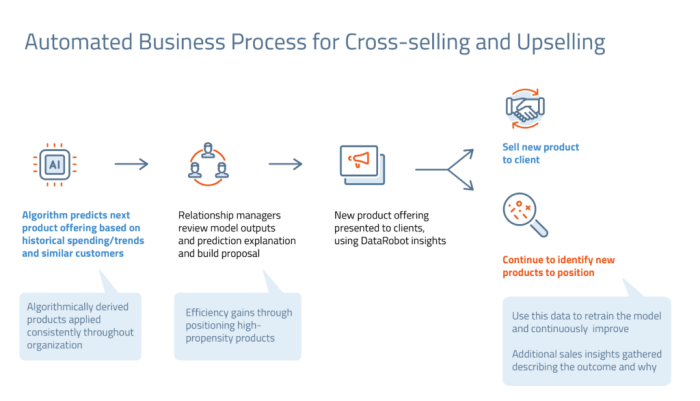
In the realm of marketing automation services, customization and personalization play a crucial role in enhancing customer engagement and driving conversions. By tailoring marketing strategies to meet the specific needs and preferences of individual customers, businesses can create more meaningful interactions and build lasting relationships.
Tailoring Email Campaigns
- Utilizing customer data to segment email lists based on demographics, behavior, or past purchases.
- Personalizing email content with the recipient's name, relevant product recommendations, or exclusive offers.
- Automating trigger-based emails to send timely messages based on customer actions or milestones.
Dynamic Website Content
- Implementing website personalization tools to display targeted content based on visitor preferences or past interactions.
- Utilizing dynamic content blocks to tailor product recommendations, promotions, or messaging in real-time.
- Adapting website elements such as banners, pop-ups, or landing pages based on user behavior or preferences.
Data Analytics for Personalization
Data analytics plays a pivotal role in enabling personalized marketing campaigns through automation. By analyzing customer behavior, preferences, and engagement metrics, businesses can gain valuable insights to optimize their marketing efforts:
"Data-driven insights allow businesses to create targeted campaigns, refine messaging, and deliver personalized experiences that resonate with customers."
By leveraging data analytics tools, businesses can track customer interactions across multiple channels, measure campaign performance, and identify opportunities for personalized engagement.
Challenges and Solutions in Marketing Automation Services
Marketing automation services offer numerous benefits, but they also come with their fair share of challenges that businesses may face during implementation. It is important to address these challenges effectively to maximize the advantages of automation and ensure a smooth transition to automated marketing processes.
Common Challenges Faced by Businesses
When implementing marketing automation services, businesses often encounter the following challenges:
- Lack of Proper Data Integration: Integrating data from various sources can be complex and time-consuming, leading to inconsistencies in customer information.
- Resistance to Change: Employees may resist adopting new automated processes, causing friction and hindering the full utilization of automation tools.
- Complexity of Automation Tools: Some marketing automation platforms can be overwhelming to navigate and utilize effectively, especially for beginners.
Solutions to Overcome Challenges
To overcome these challenges, businesses can consider the following solutions:
- Invest in Data Management: Prioritize data integration and invest in tools that streamline data collection, organization, and analysis for accurate customer insights.
- Provide Training and Support: Offer comprehensive training sessions and ongoing support to help employees adapt to new automated processes and understand the benefits.
- Simplify Processes: Opt for user-friendly automation tools with intuitive interfaces and provide guidance on best practices to simplify the adoption process.
Best Practices for Troubleshooting
In the event of issues arising during the use of marketing automation tools, businesses can follow these best practices for troubleshooting:
- Regularly Monitor Performance: Keep a close eye on key performance metrics to identify any anomalies or issues that may impact the effectiveness of automation.
- Engage Customer Support: Reach out to the customer support team of the automation platform for assistance and guidance in resolving technical issues promptly.
- Seek Feedback: Encourage feedback from users and stakeholders to identify pain points and areas for improvement in the automation processes.
Ending Remarks
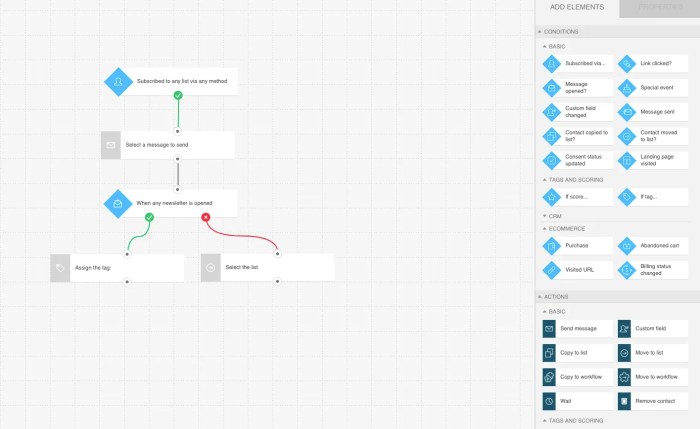
In conclusion, marketing automation services stand as a beacon of efficiency and effectiveness in the fast-paced world of digital marketing. With the right tools and strategies, businesses can unlock a world of possibilities and drive sustainable growth.
Clarifying Questions
How can marketing automation services benefit my business?
Marketing automation services can increase efficiency, productivity, improve lead generation, nurture leads, enhance customer engagement, and boost retention rates.
What are some common challenges faced when implementing marketing automation services?
Common challenges include integration issues, data management complexities, and ensuring proper customization and personalization for effective campaigns.
What are some best practices for troubleshooting issues with marketing automation tools?
Best practices include regular monitoring of campaigns, continuous training for staff, staying updated on platform changes, and seeking help from support resources when needed.