As AI automation tools for business become increasingly prevalent, businesses are embracing this technological advancement to streamline operations and boost efficiency. This article delves into the world of AI automation tools, shedding light on their benefits, types, implementation, and impact on business operations.
Overview of AI Automation Tools for Business
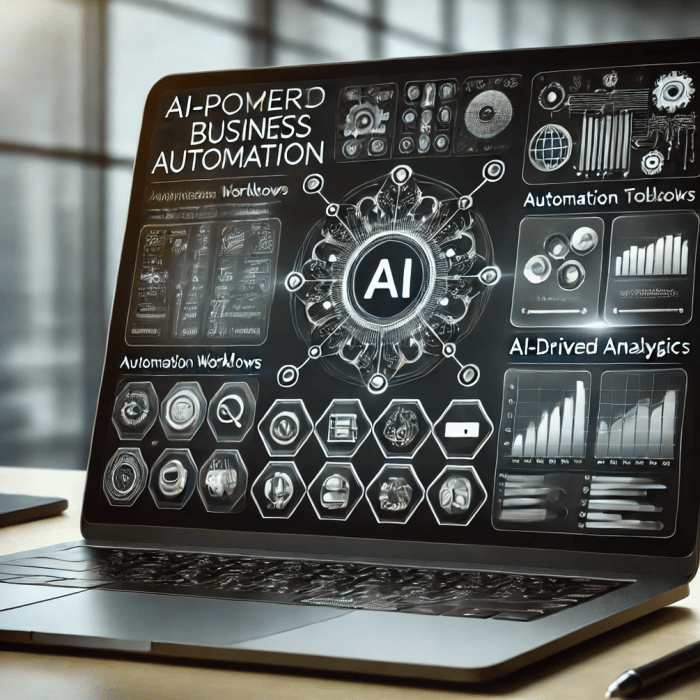
AI automation tools in the context of businesses refer to software applications that utilize artificial intelligence technologies to automate tasks, processes, and decision-making within a business environment. These tools are designed to streamline operations, enhance efficiency, and improve overall productivity.One of the key benefits of using AI automation tools for businesses is the ability to reduce manual labor and human errors.
By automating repetitive tasks, businesses can save time and resources, allowing employees to focus on more strategic and value-added activities. Additionally, AI automation tools can analyze large volumes of data quickly and accurately, providing valuable insights for decision-making.Popular AI automation tools used in various industries include:
Customer Relationship Management (CRM) Systems
- Salesforce: A leading CRM platform that uses AI to automate sales processes, analyze customer data, and improve marketing strategies.
- HubSpot: An all-in-one marketing, sales, and service platform that leverages AI to automate lead nurturing, email marketing, and customer support.
Robotic Process Automation (RPA)
- UiPath: A popular RPA tool that automates repetitive tasks, data entry, and data processing across different systems and applications.
- Automation Anywhere: Another RPA tool that enables businesses to automate complex workflows, integrate systems, and optimize business processes.
Types of AI Automation Tools
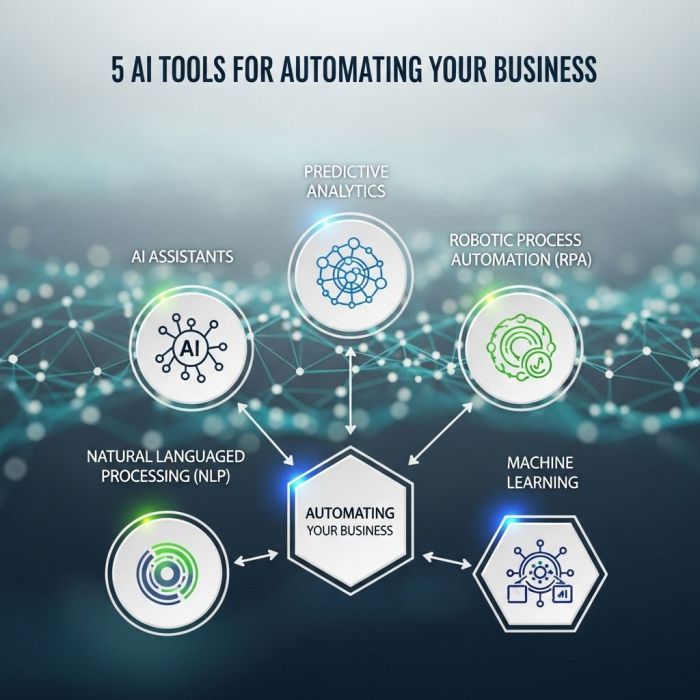
AI automation tools can be categorized based on their functionalities, which include data processing, customer service, and marketing.
Rule-based Automation Tools vs AI-driven Automation Tools
- Rule-based Automation Tools:
- Follow pre-defined rules and instructions set by humans.
- Require specific conditions to trigger actions.
- Limited in adaptability and scalability.
- AI-driven Automation Tools:
- Utilize artificial intelligence to learn and adapt to new situations.
- Can make decisions based on data analysis and patterns.
- Provide more flexibility and efficiency in handling complex tasks.
Streamlining Workflows and Enhancing Productivity with AI Automation Tools
AI automation tools play a crucial role in streamlining workflows and enhancing productivity in businesses by:
- Automating repetitive tasks to save time and reduce human errors.
- Improving decision-making processes by analyzing large amounts of data swiftly.
- Enhancing customer service through personalized interactions and quick responses.
- Increasing operational efficiency by optimizing resource allocation and workflow management.
Implementation of AI Automation Tools
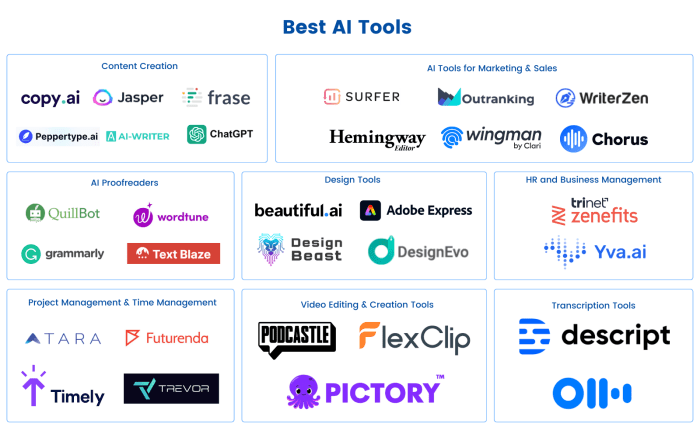
Implementing AI automation tools within a business involves several key steps to ensure successful integration and optimal performance.
Steps for Implementing AI Automation Tools
- Assessment of Business Needs: Identify the specific areas within the business processes that can benefit from AI automation tools.
- Selection of Appropriate Tools: Research and choose the right AI automation tools that align with the identified needs and goals of the business.
- Integration Planning: Develop a detailed plan for integrating the selected AI automation tools with existing systems and workflows.
- Data Preparation: Ensure that the data required for AI automation is clean, accurate, and accessible for the tools to function effectively.
- Testing and Training: Conduct thorough testing of the AI automation tools and provide training to employees on how to use them efficiently.
- Monitoring and Optimization: Continuously monitor the performance of the AI automation tools and make necessary adjustments to optimize their functionality.
Best Practices for Integrating AI Automation Tools with Existing Systems
- Collaboration with IT Department: Work closely with the IT department to ensure seamless integration of AI automation tools with existing systems.
- Customization and Configuration: Customize the AI automation tools to fit the specific requirements of the business processes and configure them accordingly.
- Change Management: Implement effective change management strategies to help employees adapt to the new AI automation tools and processes.
- Regular Updates and Maintenance: Stay updated with the latest features and updates of the AI automation tools and perform regular maintenance to ensure optimal performance.
Challenges and Solutions during Implementation
- Resistance to Change: Employees may resist adopting AI automation tools due to fear of job loss or unfamiliarity. Address this by providing extensive training and highlighting the benefits of the tools.
- Data Security Concerns: Protect sensitive data by implementing robust security measures and ensuring compliance with data protection regulations.
- Technical Issues: Address technical issues promptly by having a dedicated support team and establishing clear escalation procedures.
Impact of AI Automation Tools on Business Operations
AI automation tools have revolutionized the way businesses operate, leading to significant improvements in efficiency, cost savings, and accuracy. By leveraging AI technology, businesses can streamline their processes, reduce human error, and make data-driven decisions to stay competitive in the market.
Efficiency Enhancement
AI automation tools help businesses automate repetitive tasks, allowing employees to focus on more strategic and creative work. This leads to increased productivity and faster turnaround times for projects.
Cost Savings
Implementing AI automation tools can result in cost savings for businesses by reducing the need for manual labor and minimizing errors that can be costly to rectify. For example, chatbots can handle customer inquiries 24/7, reducing the need for customer service representatives.
Accuracy Improvement
AI automation tools are designed to perform tasks with a high level of accuracy, minimizing the risk of human error. This leads to better decision-making and improved outcomes for businesses in various processes such as data analysis, forecasting, and customer segmentation.
Case Studies
- Amazon: The e-commerce giant uses AI automation tools to personalize product recommendations for customers, resulting in a significant increase in sales and customer satisfaction.
- Tesla: Tesla's use of AI automation in its manufacturing process has led to improved efficiency, reduced production costs, and faster time-to-market for its electric vehicles.
Risks and Limitations
While AI automation tools offer numerous benefits, there are risks associated with relying heavily on them. Businesses need to be cautious about data privacy and security concerns, potential job displacement, and the need for continuous monitoring and maintenance of AI systems to ensure optimal performance.
Closing Notes
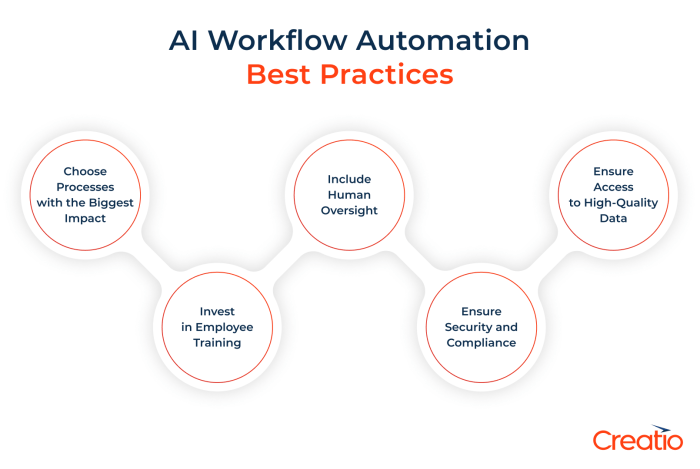
In conclusion, AI automation tools have revolutionized the way businesses operate, offering a host of advantages in terms of productivity, cost savings, and accuracy. By leveraging these tools effectively, businesses can stay ahead in today's competitive landscape and drive innovation.
FAQ
How can AI automation tools benefit businesses?
AI automation tools can enhance efficiency, reduce costs, and improve accuracy in various business processes, ultimately leading to increased productivity and competitiveness.
What are some popular AI automation tools used in different industries?
Some popular AI automation tools include Chatbots for customer service, RPA (Robotic Process Automation) for data processing, and predictive analytics tools for marketing.
What challenges might businesses face during the implementation of AI automation tools?
Businesses may encounter challenges such as data integration issues, employee resistance to change, and initial high costs of implementation. However, these challenges can be overcome with proper planning and training.